Skip to content

EpiC Blog

United States of America, EpiC
  • Home
  • About
  • Global Impact
  • Follow Us
Search
START TYPING AND PRESS ENTER TO SEARCH
  • Home
  • About
  • Global Impact
  • Follow Us

The Meeting Targets and Maintaining Epidemic Control (EpiC) project is a global project, funded by the U.S. Department of State and PEPFAR, that provides strategic technical support and direct service delivery to achieve HIV epidemic control; strengthen global health security (GHS), including outbreak response; and improve maternal, newborn and child health (MNCH), nutrition, and malaria outcomes.

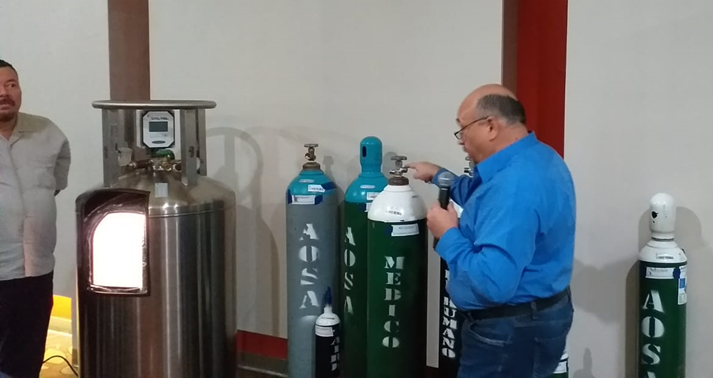
Biomedical Engineer and trainer Miguel Vergara explains valve systems on oxygen cylinders. Photo by Sofía Córdova, PSI Centro América.

COVID-19

Promoting a culture of safety and excellence for medical oxygen maintenance personnel in Panama

January 10, 2023
Sofía Córdova, Regional Program Manager, PSI Centro AméricaAndrea Surette, Knowledge Management Technical Advisor, FHI 360Emily Headrick, MSN, FNP, Clinical Technical Advisor, FHI 360 Medical oxygen is a vital therapy for treating patients with COVID-19 and other respiratory illnesses, surgical and... Continue Reading
Financing the future: Opportunities for advancing sustainable financing for local CSOs

Blog

Financing the Future: Opportunities for Advancing Sustainable Financing for Local CSOs

November 17, 2022
As part of the 4th Annual USAID Global Health Local Partner meeting, the USAID- and PEPFAR-supported EpiC project hosted a satellite webinar to explore innovative models for sustainable financing for civil society organizations (CSOs). Presenters from local CSOs shared their... Continue Reading
Patients, Not Paperwork: Namibia Launches Human Resources Digital Management Platform

Blog

Patients, Not Paperwork: Namibia Launches Human Resources Digital Management Platform

November 14, 2022
Dr. Grace Namaganda, Project Director and Senior Human Resources for Health Advisor, Open DevelopmentPandu Ipinge, Human Resources for Health Analyst, Open DevelopmentKate Steger, Open Development Communications Consultant How many public sector health care workers do we have in our country?... Continue Reading
[hi-res]covid-71

COVID-19

Expanding access to COVID-19 services through strengthening health systems in low- and middle-income countries

November 9, 2022
The Meeting Targets and Maintaining Epidemic Control (EpiC) project recently hosted a webinar in commemoration of World Pneumonia Day. Panelists discussed priorities for expanding access to COVID-19 services through strengthening health systems in low- and middle-income countries. This webinar featured... Continue Reading

COVID-19

Critical components of a sustainable, long-term COVID-19 response

October 18, 2022
Emily Headrick, MSN, FNP, Clinical Technical Advisor, FHI 360Andrea Surette, Technical Advisor for Knowledge Management, FHI 360 Featured image: Dr. Luis Bayo shares approaches to increasing COVID-19 vaccination coverage in Uganda at a meeting convened by FHI 360 and the... Continue Reading

Blog

It’s a team effort: Improving government coordination to support victims of trafficking in Vietnam

September 6, 2022
Ha Ngoc Lan, CTIP Project Manager, EpiC VietnamNguyen Thanh Van, CTIP Project Officer, EpiC VietnamRachel Coley, Technical Advisor and Project Manager, EpiC Vietnam Featured image: Four key ministries joined together in the signing ceremony of the inter-ministerial coordination regulation in... Continue Reading

COVID-19

Music events increase COVID-19 vaccine uptake in Tanzania’s Mtwara region

August 25, 2022
Agness John, Senior Technical Officer, FHI 360Andrea Surette, Technical Advisor, FHI 360 Featured image: Tanzania’s Minister of Health, Ummy Mwalimu, promotes COVID-19 vaccination at a music event hosted by the health promotion unit in partnership with USAID’s EpiC project. Photo... Continue Reading

COVID-19

It’s okay to prioritize your mental health needs: Normalizing and supporting mental health interventions for healthcare workers in Vietnam

July 6, 2022
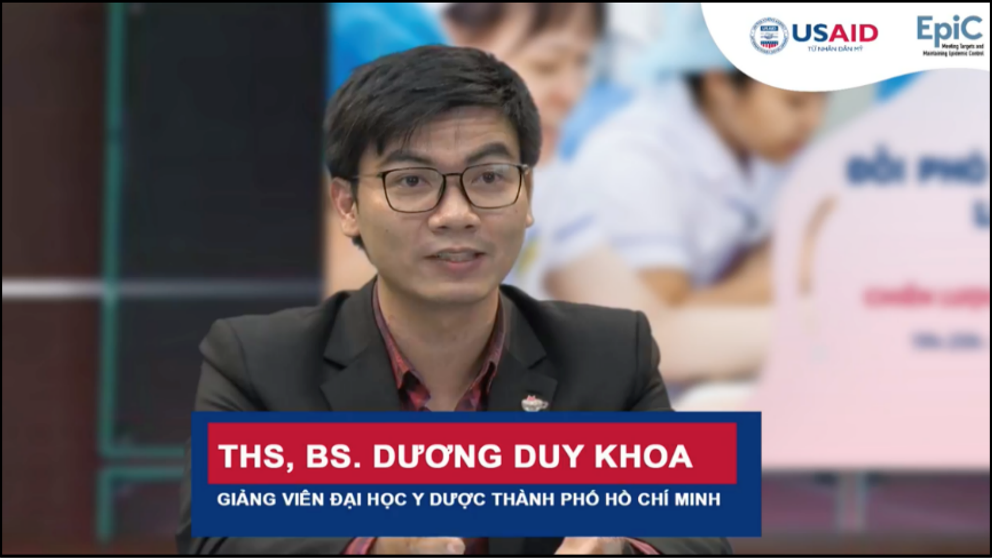
Huong T. Chu, Senior Project Officer, Coordination and Knowledge Rachel S. Coley, Technical Advisor & Project Manager, EpiC Vietnam Dr. Lopa Basu, Senior HIV and TB Advisor, USG/Vietnam Featured Image: Dr. Duong Duy Khoa spoke about his own mental health... Continue Reading

COVID-19

Liquid oxygen systems breathe new life into health facilities in Vietnam

June 14, 2022
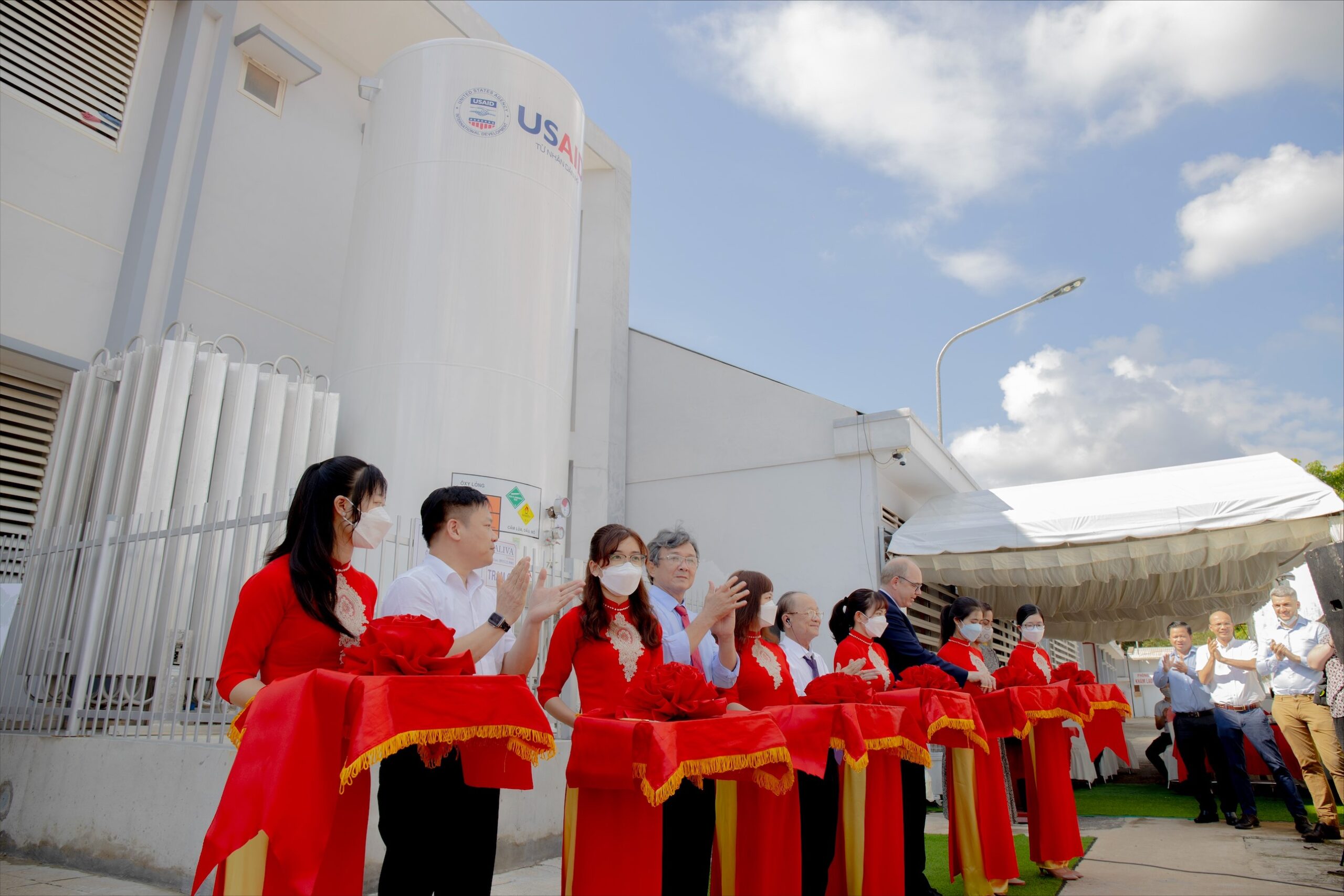
Huong T. Chu, Senior Project Officer, Coordination & Knowledge Rachel S. Coley, Technical Advisor & Project Manager, EpiC Vietnam When the COVID-19 Delta variant arrived in Vietnam last summer, more than 18 months of successful measures to reduce transmission, including... Continue Reading

Blog

Elite rugby team champions COVID-19 vaccination in Papua New Guinea

June 1, 2022
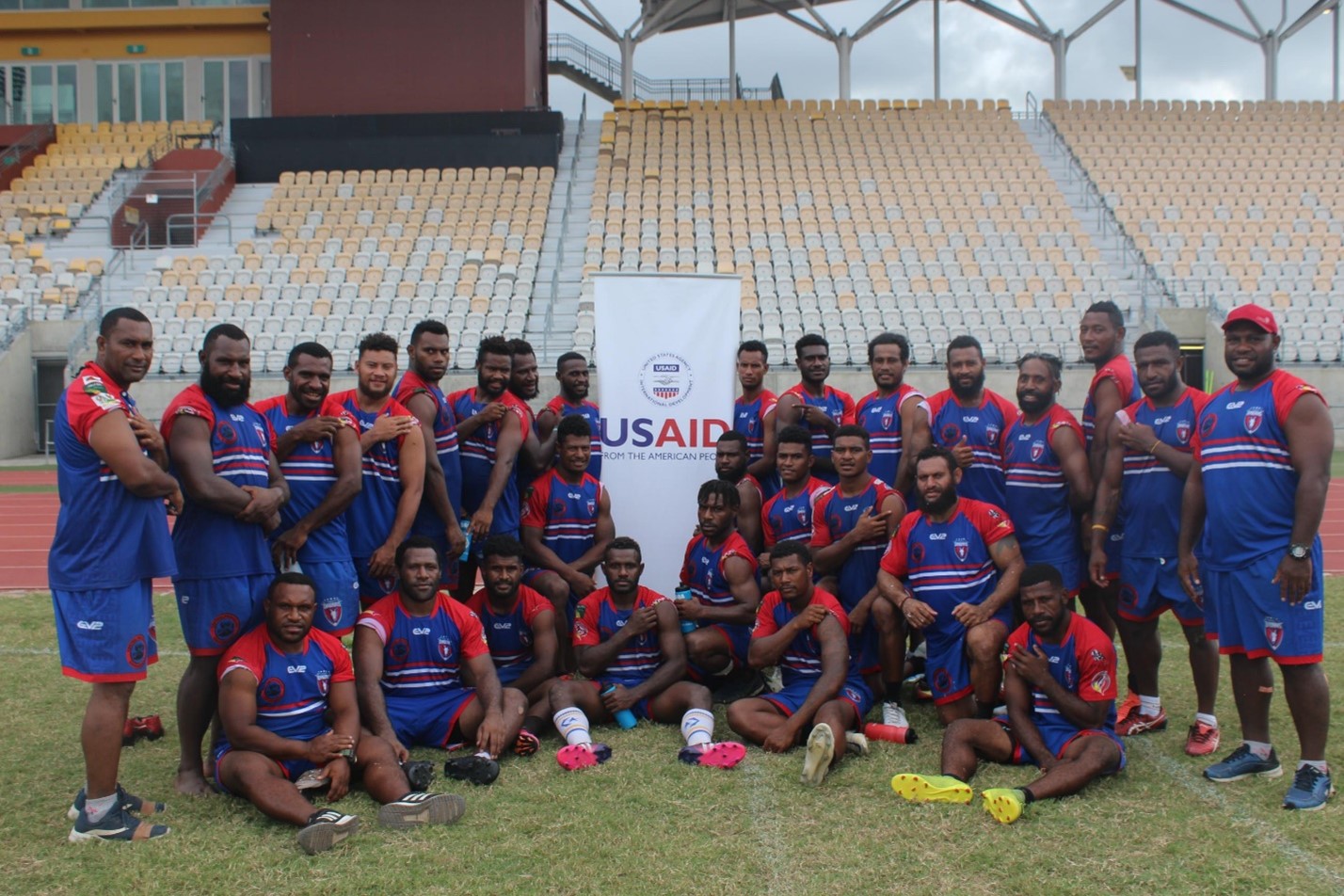
Andrea Surette, FHI 360 Isaac Wek, FHI 360 Annemarie Paul, FHI 360 The Central Dabaris, a popular premier rugby league club in Papua New Guinea (PNG), took a stand against COVID-19. Both players and officials were vaccinated at the Sogeri... Continue Reading
Page 4 of 7« First«...23456...»Last »

Get Subscribed

Enter your email address to subscribe to this blog and receive notifications of new posts.

We don’t spam! Read our privacy policy for more info.

Check your inbox or spam folder to confirm your subscription.

Archives

Search by Category

Recent Publications

  • EpiC HIV Fact Sheet
  • EpiC COVID-19 Fact Sheet
  • EpiC Global Health Security Fact Sheet

This blog is managed by the EpiC project and dedicated to sharing stories, events, and resources from global health efforts around the world.

© EpiC BLOG 2025

Service provider

Individual who directly provides services to another individual, group, or population (the “program beneficiary”) through a program.

Program beneficiary

Individual who receives program services; an entire group or population may be the recipient of services.

Trauma

Lasting biopsychosocial and/or emotional response that often results from experiencing a terrible event such as an accident, crime, military combat, or natural disaster, or a series of chronic traumatic events like persistent abuse or neglect.

Substance abuse

Use of a substance (usually drugs or alcohol) in amounts or by methods that are harmful to oneself or others. Substance use disorder (SUD) and addiction are distinct clinical diagnoses.

Stress

Any type of change to one’s internal or external environment that causes physical, emotional, or psychological strain. “Managing stress” is an effort to return from this state of strain or disturbance to homeostasis or well-being.

Social support

The perception that one is cared for, has assistance available if needed, and that one is part of a supportive social network.

Self-harm/suicidality

Deliberate injury to oneself as an emotional coping mechanism, ranging from cutting oneself to suicide. Expressions of self-harm and/or suicidality are usually considered an emergency and should be assessed and managed by a trained professional.

Self-efficacy

An individual’s belief in their capacity to act in the ways necessary to reach specific goals.

Post-traumatic stress (PTS)

A normal adaptive response to traumatic or stressful life events that can result in a wide range of distressing symptoms. Post-traumatic stress disorder (PTSD) differs from PTS and is a clinical diagnosis.

Overall well-being

The state of being comfortable, healthy, or happy; judging one’s own life positively; generally, “feeling good.”

Insomnia

A sleep disorder, or disordered sleep pattern, characterized by trouble falling and/or staying asleep.

Disability

A physical or mental condition that limits a person’s movements, senses, or activities.

Depression

A mood disorder that causes a persistent feeling of sadness and loss of interest.

Clinical diagnoses

Mental or neuropsychiatric disorders, or disruptive, unusual, or maladaptive behaviors that have been evaluated and diagnosed by a trained medical professional.

Burnout

A state of emotional, physical, and mental exhaustion caused by excessive and prolonged stress, typically related to one’s work, that is not managed well. Burnout is considered an occupational phenomenon.

Anxiety

Feelings of fear, dread, and uneasiness that may occur as a reaction to stress. Anxiety can be a symptom or a feeling; it can also be a clinical diagnosis of a mental health condition.

Intervention

Larger packages or broader-reaching resources that describe actions or activities to be implemented. These may be appropriate for individuals, groups, and/or programs.

Assessment

A questionnaire or “screener” meant to be used with individual patients in a clinical setting to screen for, help diagnose, or monitor progress for individual mental health conditions.

Privacy Policy