Skip to content

EpiC Blog

United States of America, EpiC
  • Home
  • About
  • Global Impact
  • Follow Us
Search
START TYPING AND PRESS ENTER TO SEARCH
  • Home
  • About
  • Global Impact
  • Follow Us

Tag: COVID-19

COVID-19

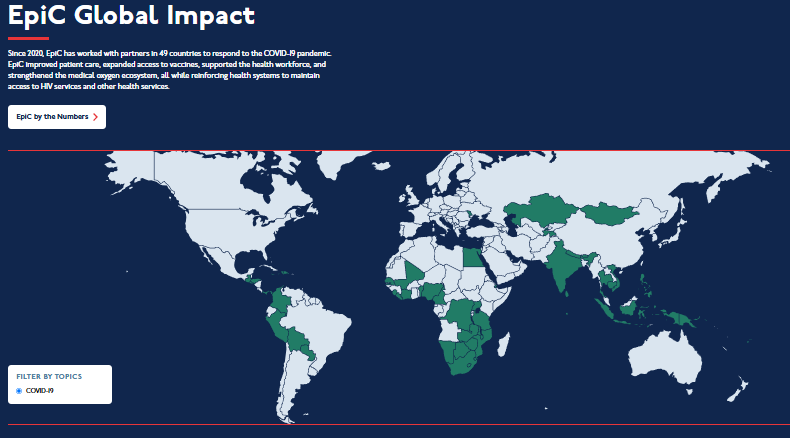
EpiC’s global impact: Addressing COVID-19 in 54 countries

January 13, 2025
Since 2020, the Meeting Targets to Maintain Epidemic Control (EpiC) project has worked with partner governments to respond to the COVID-19 pandemic. When COVID-19 emerged as a global health threat, several FHI 360-led projects were called on, including the EpiC... Continue Reading
COVID-19

Leçons tirées d’un projet pilote Tester et Traiter (T2T) de la COVID-19 au Sénégal 

September 26, 2024
Dr Selly Ba, Directrice Technique Associée Covid, EpiC SénégalThiarra Diagne, agent technique gestion des connaissances, EpiC Sénégal Version française ci-dessous. English version follows.  La pandémie à COVID-19 est responsable de plus de 550 millions d’infections et 6 millions de décès... Continue Reading

COVID-19

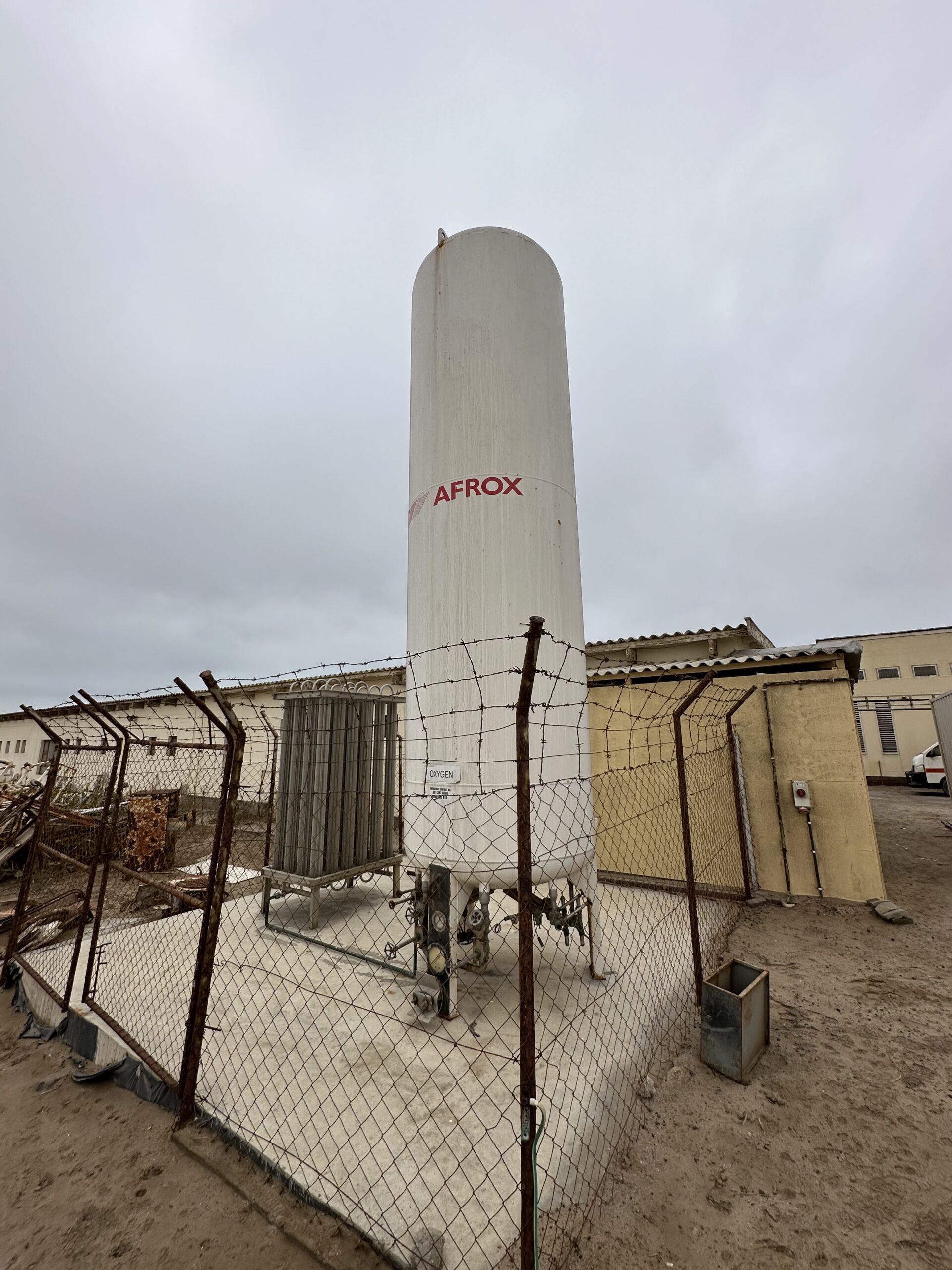
Building a stronger oxygen ecosystem in Namibia: Exploring investment opportunities in liquid oxygen 

June 26, 2024
Audrey Battu, Senior Director, Essential Medicines, Clinton Health Access Initiative Dennis Walusimbi, Program Manager, Clinton Health Access Initiative Namibia  Ayush Gupta, Senior Associate, Markets, Clinton Health Access Initiative  Hypoxemia, or low blood oxygen, can be a life-threatening condition without access to supplemental... Continue Reading

COVID-19

The EpiC project supports Global Fund investments in Papua New Guinea to fortify health systems during the COVID-19 pandemic

June 17, 2024
Since 2002, the Global Fund has invested more than US$60 billion to fight the deadliest infectious diseases on earth: HIV, tuberculosis (TB), and malaria. To protect those programs during the COVID-19 pandemic, the Global Fund created the COVID-19 Response Mechanism... Continue Reading

COVID-19

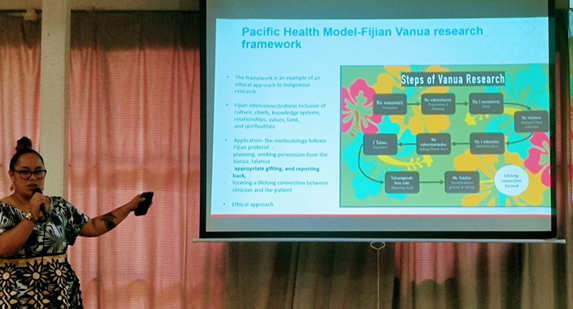
Caring for patients with long COVID: How Fiji is navigating the complexities of post-COVID clinical care 

June 12, 2024

While the worst phases of the COVID-19 pandemic are now years behind us, the people of the Pacific Islands continue to live with the fall-out of the unprecedented global crisis including long COVID.

Continue Reading

COVID-19

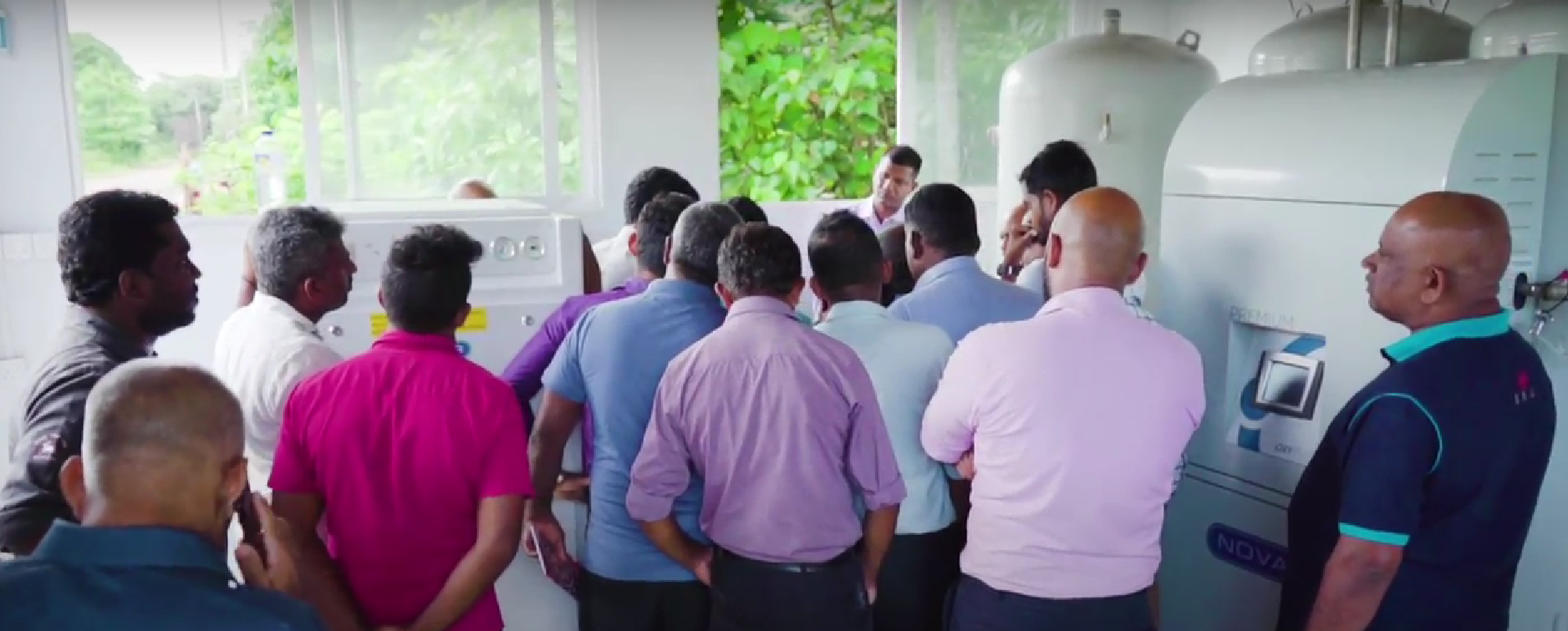
Revitalizing Sri Lanka’s medical oxygen ecosystem

October 5, 2023

EpiC’s investment in oxygen-producing PSA technology will ensure access to medical oxygen, especially in regions far from Sri Lanka’s centrally located oxygen manufacturing facilities.

Continue Reading

COVID-19

Music events increase COVID-19 vaccine uptake in Tanzania’s Mtwara region

August 25, 2022
Agness John, Senior Technical Officer, FHI 360Andrea Surette, Technical Advisor, FHI 360 Featured image: Tanzania’s Minister of Health, Ummy Mwalimu, promotes COVID-19 vaccination at a music event hosted by the health promotion unit in partnership with USAID’s EpiC project. Photo... Continue Reading

Get Subscribed

Enter your email address to subscribe to this blog and receive notifications of new posts.

We don’t spam! Read our privacy policy for more info.

Check your inbox or spam folder to confirm your subscription.

Archives

Search by Category

Recent Publications

  • EpiC HIV Fact Sheet
  • EpiC COVID-19 Fact Sheet
  • EpiC Global Health Security Fact Sheet

This blog is managed by the EpiC project and dedicated to sharing stories, events, and resources from global health efforts around the world.

© EpiC BLOG 2025

Service provider

Individual who directly provides services to another individual, group, or population (the “program beneficiary”) through a program.

Program beneficiary

Individual who receives program services; an entire group or population may be the recipient of services.

Trauma

Lasting biopsychosocial and/or emotional response that often results from experiencing a terrible event such as an accident, crime, military combat, or natural disaster, or a series of chronic traumatic events like persistent abuse or neglect.

Substance abuse

Use of a substance (usually drugs or alcohol) in amounts or by methods that are harmful to oneself or others. Substance use disorder (SUD) and addiction are distinct clinical diagnoses.

Stress

Any type of change to one’s internal or external environment that causes physical, emotional, or psychological strain. “Managing stress” is an effort to return from this state of strain or disturbance to homeostasis or well-being.

Social support

The perception that one is cared for, has assistance available if needed, and that one is part of a supportive social network.

Self-harm/suicidality

Deliberate injury to oneself as an emotional coping mechanism, ranging from cutting oneself to suicide. Expressions of self-harm and/or suicidality are usually considered an emergency and should be assessed and managed by a trained professional.

Self-efficacy

An individual’s belief in their capacity to act in the ways necessary to reach specific goals.

Post-traumatic stress (PTS)

A normal adaptive response to traumatic or stressful life events that can result in a wide range of distressing symptoms. Post-traumatic stress disorder (PTSD) differs from PTS and is a clinical diagnosis.

Overall well-being

The state of being comfortable, healthy, or happy; judging one’s own life positively; generally, “feeling good.”

Insomnia

A sleep disorder, or disordered sleep pattern, characterized by trouble falling and/or staying asleep.

Disability

A physical or mental condition that limits a person’s movements, senses, or activities.

Depression

A mood disorder that causes a persistent feeling of sadness and loss of interest.

Clinical diagnoses

Mental or neuropsychiatric disorders, or disruptive, unusual, or maladaptive behaviors that have been evaluated and diagnosed by a trained medical professional.

Burnout

A state of emotional, physical, and mental exhaustion caused by excessive and prolonged stress, typically related to one’s work, that is not managed well. Burnout is considered an occupational phenomenon.

Anxiety

Feelings of fear, dread, and uneasiness that may occur as a reaction to stress. Anxiety can be a symptom or a feeling; it can also be a clinical diagnosis of a mental health condition.

Intervention

Larger packages or broader-reaching resources that describe actions or activities to be implemented. These may be appropriate for individuals, groups, and/or programs.

Assessment

A questionnaire or “screener” meant to be used with individual patients in a clinical setting to screen for, help diagnose, or monitor progress for individual mental health conditions.

Privacy Policy